



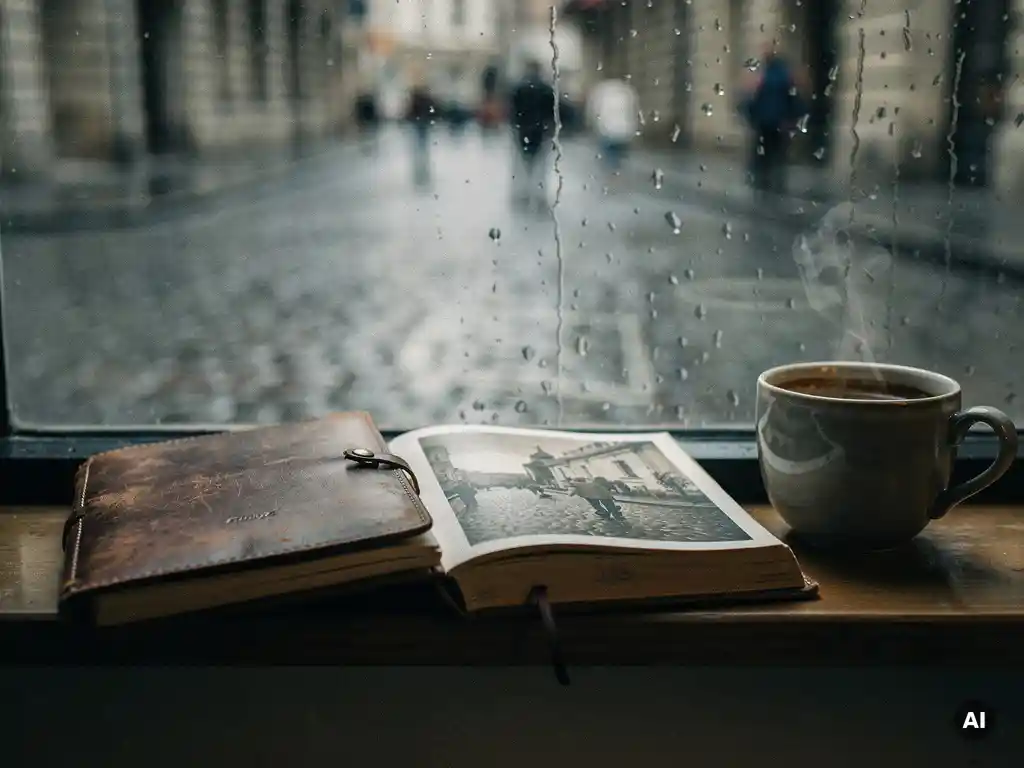
When wanderlust becomes overwhelming sadness, what you are experiencing is a real and recognized emotional response called post-travel depression. It happens because returning home strips away the novelty, freedom, and stimulation of travel, leaving a gap that everyday life does not immediately fill. The good news is that it passes, and there are practical ways to shorten it and hold onto what travel gave you.
Why does coming home from a trip feel so sad?
Coming home from a trip feels sad because your brain has spent days or weeks in a heightened state of stimulation, curiosity, and presence. When that ends abruptly, the contrast with ordinary routine feels sharp and deflating. The sadness is not about disliking your life at home. It is about the emotional withdrawal that follows an intense, meaningful experience.
Travel forces you to be fully present. Every meal, street, and conversation is new, so your senses stay alert and your mood lifts. Back home, the familiar surroundings no longer trigger that alertness. Psychologists sometimes describe this as a drop in dopamine after a sustained period of reward. Your brain is not broken. It is adjusting.
There is also a grief element. A trip you spent months anticipating is now over. The destinations you fell in love with feel distant. The version of yourself who wandered freely through new places feels temporarily out of reach. These feelings are a natural response to the end of something meaningful, not a sign that something is wrong with you.
What is post-travel depression and how long does it last?
Post-travel depression is the emotional low that follows the end of a significant trip. It typically involves feelings of restlessness, low motivation, sadness, and difficulty reconnecting with everyday routines. It is not a clinical diagnosis but a widely reported experience among frequent and passionate travelers. For most people, it lasts anywhere from a few days to two or three weeks.
The intensity and duration depend on several factors. Longer trips tend to produce stronger post-travel blues. Solo travel, where you relied entirely on yourself, can make the return to a structured environment feel especially jarring. Trips tied to a major milestone, like a honeymoon or a long-awaited bucket-list destination, carry extra emotional weight and can leave a deeper void.
If the travel sadness lingers beyond a few weeks or begins to interfere with your daily functioning, it is worth speaking to a mental health professional. For most travelers, though, the missing travel feeling fades naturally as new routines and anticipation take shape.
How can you hold onto the feeling of a trip after returning home?
You can hold onto the feeling of a trip by actively recreating sensory and emotional cues from your travels rather than waiting for the feeling to return on its own. Cooking a dish from the destination, listening to music you discovered there, or simply spending time with the photos you took are all ways to stay connected to the experience while you readjust to home life.
The most effective strategies tend to involve making the trip tangible in some lasting way. A journal entry written in the first few days back captures details that memory alone will blur. Organizing your photos while the context is still fresh transforms a chaotic camera roll into a story you can actually revisit. Travel memories are most vivid in the first weeks after you return, so that window matters.
Sharing the experience with others also helps. Telling stories, showing photos, or even cooking for friends from the places you visited keeps the trip alive in conversation and gives it continued meaning. The goal is not to stay stuck in the past but to integrate what the trip meant to you into your present life.
Does planning your next trip help with travel sadness?
Yes, planning your next trip is one of the most effective ways to ease travel sadness. Research in positive psychology consistently shows that anticipation of a future positive event can generate as much well-being as the event itself. Having something on the horizon gives your wanderlust a direction rather than leaving it as a formless ache.
You do not need to book flights immediately. Even the act of researching destinations, saving articles, or building a rough itinerary activates the same anticipatory excitement that made planning your last trip enjoyable. This gives your brain a new reward loop to engage with, which naturally reduces the emotional gap left by returning home.
That said, planning should complement, not replace, the work of processing the trip you just had. Jumping straight into the next adventure without reflecting on the last one can mean missing the depth and meaning that travel is supposed to offer. A healthy balance is to document and honor the trip you just returned from while letting yourself look forward to what comes next.
What should you do with thousands of travel photos after a trip?
After a trip, the most important thing to do with your travel photos is to organize and preserve them quickly, while you still remember the context behind each image. Most travelers return home with hundreds or even thousands of photos scattered across their phone, social media, and cloud storage. Left unorganized, the majority of those images will never be seen again.
Start by doing a rough cull within the first week. Remove obvious duplicates, blurry shots, and accidental photos. What remains is your actual travel story. From there, grouping photos by day, location, or experience makes it far easier to revisit them meaningfully rather than scrolling through an undifferentiated mass of images.
Printing a selection of your best travel photos is one of the most powerful ways to preserve travel memories long term. A physical photo book sits on your shelf, gets picked up, and triggers genuine emotional recall in a way that a folder of digital files simply does not. The act of creating it also helps process the end of the trip, turning the post-travel blues into something creative and forward-looking.
How PastBook helps you turn travel memories into something lasting
We built PastBook specifically for people who return from a trip with thousands of photos and no idea where to start. Our AI-powered platform takes the effort out of preserving your travel memories so you can focus on reliving them, not organizing them.
- Done in under 60 seconds: Select a date range, location, or album and our platform automatically picks the best photos, removes duplicates, and arranges them into a beautifully designed layout.
- Pull from anywhere: Import directly from your phone, Instagram, Facebook, Google Drive, or Dropbox so no travel memory gets left behind.
- Qualidade de impressão premium: Every álbum de fotos de viagem is printed on FSC-certified paper and shipped worldwide, available in softcover, hardcover, and premium hardcover formats.
- A gift that looks like effort: The finished book looks like you spent hours curating it. You did not, but the people who receive it will never know.
If you are sitting with a folder of travel photos and the post-travel blues are still fresh, this is the best moment to do something with them. Create your travel photo book today and turn that wanderlust into a story worth keeping.