











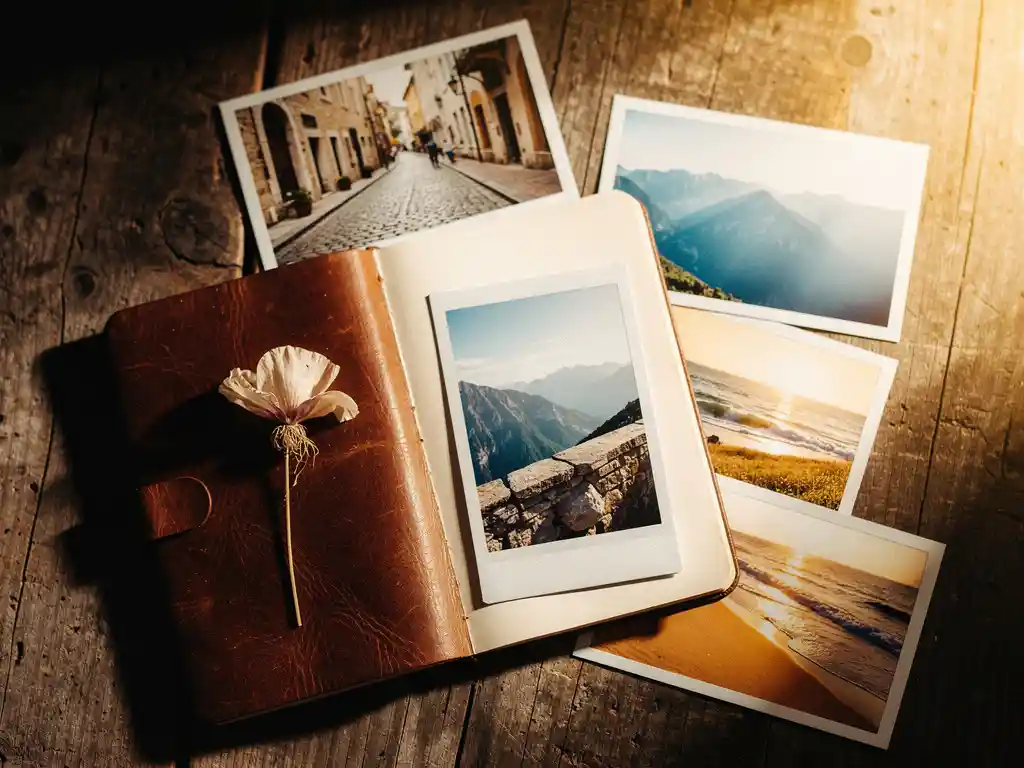
Reisen verändert die Art und Weise, wie Sie sich an Orte erinnern, indem diese Erinnerungen lebendiger, emotional aufgeladener und langlebiger werden als alltägliche Erlebnisse. Die Neuheit neuer Umgebungen, das gesteigerte emotionale Engagement und eine Pause vom Alltag tragen dazu bei, Reiseerinnerungen tiefer im Gehirn zu verankern. Im Folgenden befassen wir uns mit den spezifischen Gründen dafür und was dies für die Art und Weise bedeutet, wie Sie Ihre Reisen festhalten und bewahren.
Warum fühlen sich Reiseerinnerungen lebendiger an als alltägliche?
Reiseerinnerungen fühlen sich lebendiger an als alltägliche, weil Neuheit eine stärkere Gedächtnisbildung im Gehirn auslöst. Wenn Sie auf unbekannte Umgebungen, Geräusche, Gerüche und Gesichter stoßen, behandelt Ihr Gehirn jedes Detail als speicherwürdig. Vertraute Routinen hingegen verschwimmen, da das Gehirn wiederholte Informationen als niedrig priorisiert herausfiltert.
Dies hängt eng mit emotionaler Intensität zusammen. Erfahrungen, die eine starke emotionale Ladung tragen, sei es die Ehrfurcht, am Rande eines Canyons zu stehen, oder die Wärme, eine Mahlzeit mit Fremden zu teilen, werden im emotionalen Zentrum des Gehirns verarbeitet und als bedeutsam markiert. Diese emotionale Markierung ist einer der Hauptgründe, warum die Reiseseligkeit sich so anders anfühlt als die Trauer über einen gewöhnlichen Dienstag.
Es gibt auch eine sensorische Dimension, die eine Rolle spielt. Reisen überschwemmt Sie plötzlich mit unbekannten Reizen: die Textur von Kopfsteinpflaster unter den Füßen, der Geruch von Streetfood, das Geräusch einer Sprache, die Sie kaum verstehen. Multire sensorische Erlebnisse schaffen reichere, vielschichtigere Erinnerungen, die Jahre später leichter abrufbar sind. Ein einziger Geruch von einem Markt, den Sie einmal besucht haben, kann eine ganze Reise wieder in den Fokus rücken.
Wie verzerren Reisen unsere Wahrnehmung von Zeit und Ort?
Reisen verzerren unsere Wahrnehmung von Zeit und Raum, weil Neuheit die subjektive Zeit während des Erlebens verlangsamt und diese im Nachhinein komprimiert. Eine Woche in einem neuen Land kann sich so anfühlen, als wäre sie länger als ein Monat zu Hause, während man sie erlebt, und doch überraschend kurz erscheinen, wenn man versucht, sich nachträglich an die Abfolge der Ereignisse zu erinnern.
Dies wird manchmal als das Urlaubsparadoxon bezeichnet. Während einer Reise verarbeitet Ihr Gehirn so viele neue Informationen, dass sich die Zeit gedehnt und voll anfühlt. Aber wenn Sie zurückblicken, erschwert der Mangel an vertrauten Bezugspunkten die mentale Rekonstruktion einer Zeitlinie, so dass sich die Reise eher wie ein Zusammenschnitt von Höhepunkten anfühlt als wie eine Abfolge von Tagen.
Auch die Ortswahrnehmung wird gleichermaßen beeinflusst. Orte, die man auf Reisen besucht, werden im Gedächtnis oft idealisiert. Man erinnert sich eher an das schönste Licht, den fotogensten Winkel, den Moment der Ankunft als an die Stunde, die man auf eine verspätete Bahn wartend verbracht hat. Mit der Zeit werden die erinnerten Orte ein wenig perfekter, als sie tatsächlich waren, und das ist ein Teil dessen, was die Reise-Nostalgie so kraftvoll und so bittersüß macht.
Welche Details einer Reise vergessen die Leute zuerst?
Die Details, die die Menschen von einer Reise zuerst vergessen, sind die alltäglichen, logistischen und Übergangsmomente: die genaue Route zwischen Städten, der Name eines Restaurants am dritten Tag, die genaue Farbe einer Tür, die man fotografiert hat. Diese detailarmen Erinnerungen verblassen schnell, weil das Gehirn Erinnerungen bevorzugt, die Bedeutung oder Gefühl transportieren.
Beim Reisen und Erinnern folgt das Vergessen einem vorhersehbaren Muster:
- Spezifische Sequenzen Die Reihenfolge der Ereignisse verschwimmt innerhalb weniger Tage nach der Rückkehr nach Hause, was es ohne Notizen oder Fotos schwierig macht, eine klare Erzählung zu rekonstruieren.
- Namen und Bezeichnungen: Straßennamen, Hotelnamen und die Namen von flüchtig getroffenen Personen gehören zu den ersten, die verschwinden.
- Übergangsmomente: Flughafenwartezeiten, Busfahrten und Check-in-Schlangen verschwinden fast vollständig, und nur die Erinnerungen an das Reiseziel bleiben erhalten.
- Sensorische Details ohne Anker: Gerüche und Geräusche verblassen am schnellsten, es sei denn, sie sind mit einem starken emotionalen Moment oder einem Foto verbunden, das sie wiederbelebt.
Was tendenziell überdauert, ist der emotionale Kern einer Reise: wie ein Ort ein Gefühl in dir hervorrief, die Menschen, mit denen du zusammen warst, und die Momente, die dich überraschten oder berührten. Deshalb ist es so wichtig, Reiseerinnerungen zu bewahren, solange die Details noch frisch sind. Das Zeitfenster zwischen der Rückkehr nach Hause und dem Verlust der Textur einer Reise ist kürzer, als die meisten Reisenden erwarten.
Wie verändern Fotos die Art und Weise, wie wir Reiseerlebnisse in Erinnerung behalten?
Fotos verändern die Art und Weise, wie wir Reiseerlebnisse in Erinnerung behalten, indem sie als Gedächtnisanker dienen, die bestimmte Momente detailliert bewahren, aber sie können auch die rohe Erinnerung selbst nach und nach ersetzen. Mit der Zeit können Sie feststellen, dass Sie sich an das Foto eines Ortes erinnern, anstatt an das gelebte Erlebnis, dort zu stehen – ein Prozess, den Forscher manchmal als Beeinträchtigung durch Fotografieren bezeichnen, wenn er sich auf den Akt des Aufnehmens und nicht des Überprüfens bezieht.
Dennoch sind Fotos, die durchdacht eingesetzt werden, eines der wirkungsvollsten Werkzeuge, um Reiseerinnerungen festzuhalten. Das Betrachten von Bildern von einer Reise reaktiviert den emotionalen und sensorischen Kontext, der sie umgibt, und hilft Ihnen, Details wiederzufinden, die sonst verblassen würden. Ein einziges Foto von einem Morgenspaziergang in Lissabon kann die Temperatur der Luft, das Geräusch der Straßenbahnen und das Gespräch, das Sie bei Kaffee geführt haben, wieder hervorrufen.
Die größte Herausforderung für die meisten Reisenden ist das Volumen. Wenn man von einer Reise mit Hunderten oder Tausenden von Bildern zurückkehrt, die über ein Handy, Instagram und Google Drive verstreut sind, wird es schwierig, sie sinnvoll wieder aufzurufen. Wenn Fotos nie organisiert oder ausgedruckt werden, verschwinden sie oft im digitalen Speicher und verlieren ihre Kraft als Gedächtnisstützen völlig. Das Kuratieren und Drucken von Reisefotos, selbst einer kleinen Auswahl, erhöht erheblich, wie oft Menschen sich im Laufe der Jahre mit diesen Erinnerungen auseinandersetzen.
Wann ist die beste Zeit, um Reiseerinnerungen festzuhalten?
Die beste Zeit, um Reiseerinnerungen festzuhalten, ist so bald wie möglich nach der Rückkehr nach Hause, idealerweise innerhalb der ersten Woche. Zu diesem Zeitpunkt ist die emotionale Resonanz der Reise noch stark, die Details sind am frischesten, und Sie können am ehesten genau bestimmen, welche Momente am wichtigsten waren. Wochen oder Monate zu warten bedeutet, dass man von einer komprimierten, idealisierten Version der Reise und nicht von der vollen Erfahrung ausgeht.
Es gibt auch ein psychologisches Fenster, dem man Beachtung schenken sollte. Die Zeit unmittelbar nach einer Reise, wenn man wieder in seiner Routine ist, aber noch die Wärme der Reise in sich trägt, ist die Zeit, in der die Motivation, diese Erinnerungen zu bewahren, von Natur aus am höchsten ist. Diese Motivation schwindet schnell, wenn der Alltag überhandnimmt, und mit ihr die Absicht, die Fotos überhaupt jemals zu sortieren.
Im Jahr 2026 sitzen die meisten Reisenden auf jahrelang unorganisierten Reisefotos, die über mehrere Geräte und Plattformen verteilt sind. Je länger diese Bilder verstreut bleiben, desto schwieriger wird es, die Geschichte einer bestimmten Reise zu rekonstruieren. Schnelles Handeln, solange der Kontext noch im Gedächtnis lebendig ist, führt zu einem weitaus aussagekräftigeren Ergebnis, als zu versuchen, Monate später aus einem Meer von ähnlich aussehenden Miniaturansichten etwas zusammenzusetzen.
Wie PastBook Ihnen hilft, Reiseerinnerungen zu bewahren
Wir haben PastBook speziell entwickelt, um die Reibung zu beseitigen, die die meisten Reisenden davon abhält, irgendetwas mit ihren Fotos zu machen. Unsere KI-gestützte Plattform nimmt Ihnen die Arbeit komplett ab, sodass Sie in weniger als 60 Sekunden von einem Ordner mit Reisebildern zu einem wunderschön gedruckten Andenken gelangen. Hier ist, wie das in der Praxis aussieht:
- Automatische Fotoauswahl: Unsere KI analysiert die Bildqualität, entfernt Duplikate und wählt die besten Aufnahmen aus Ihrem gewählten Datumsbereich, Speicherort oder Album aus, sodass Sie niemals Hunderte von ähnlichen Bildern manuell sortieren müssen.
- Intelligentes Layout-Design: Fotos werden automatisch in kuratierten Seitenlayouts arrangiert, komplett mit Daten und Bildunterschriften, ohne leere Seiten oder Designentscheidungen, die Sie treffen müssen.
- Import von überall: Ziehen Sie Fotos direkt von Ihrem Handy, Instagram, Facebook, Google Drive oder Dropbox. Egal wo Ihre Reisefotos gespeichert sind, wir können damit arbeiten.
- Premium Druckqualität: Unser Reisefotoalbum wird auf FSC-zertifiziertem Papier in Softcover-, Hardcover- oder Premium-Hardcover-Formaten gedruckt und durch unser globales Drucknetzwerk weltweit versendet.
- Kollaborative Alben: Reisen Sie mit anderen? Freunde und Familie können Fotos zu einem gemeinsamen Album beitragen, sodass das fertige Buch jede Perspektive der Reise festhält.
Der beste Zeitpunkt ist jetzt, solange die Erinnerungen noch frisch sind. Gestalte dein Fotobuch bei PastBook und mache aus dieser Reise etwas, das du tatsächlich in den Händen halten kannst.