











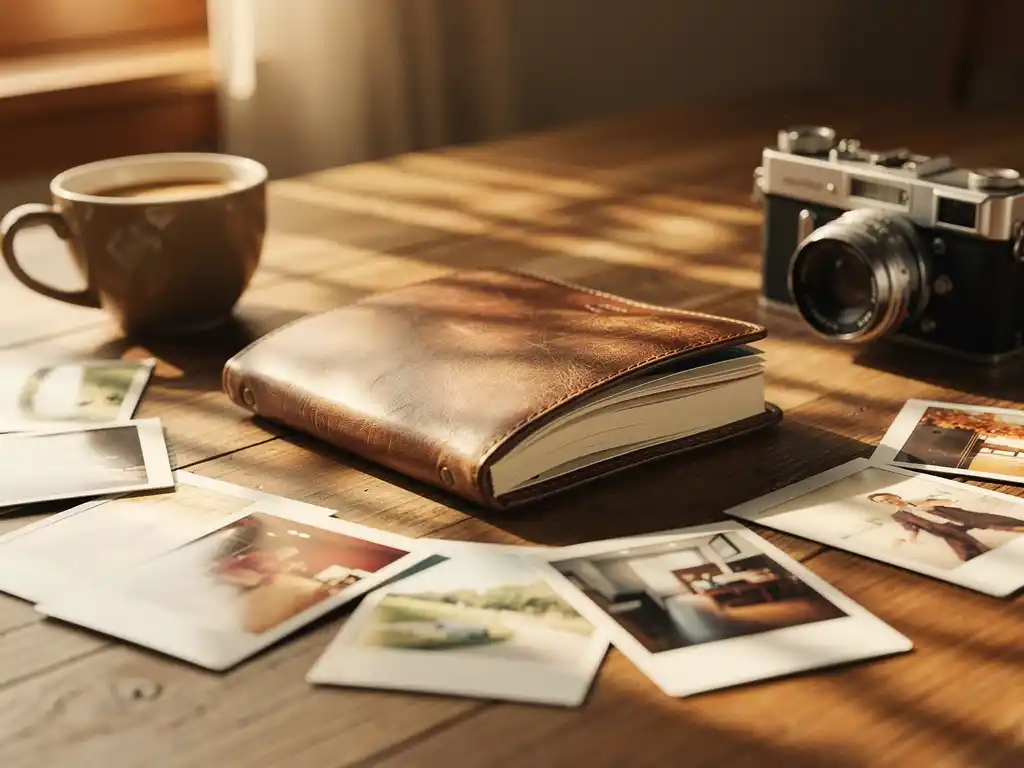
The best way to turn travel memories into a creative project is to gather your photos from a single trip or time period and transform them into a tangible, curated keepsake, such as a printed photo book, a travel journal, or a themed poster. The key is choosing a format that matches how you want to relive those memories, whether that means flipping through physical pages or displaying a favorite shot on your wall. Below, we unpack the most common questions travelers ask when they are ready to do something meaningful with their photos.
What are the best ways to preserve travel memories creatively?
The best creative ways to preserve travel memories include printed photo books, scrapbooks, travel journals, photo wall tiles, and custom calendars. Each format turns scattered digital images into something you can hold, display, or share. A printed photo book is widely considered the most rewarding option because it combines storytelling, visual design, and lasting quality in one object.
Beyond photo books, here are other travel keepsake ideas worth considering:
- Scrapbooks: Combine printed photos with ticket stubs, maps, and handwritten notes for a deeply personal record of a trip.
- Travel journals: Pair written reflections with printed or pasted images to capture not just what you saw but how it felt.
- Photo wall tiles: Display your favorite travel shots as framed prints or adhesive tiles that turn a wall into a visual travel diary.
- Custom calendars: Spread twelve of your best travel photos across a full year, so your memories stay visible every single day.
- Digital slideshows or videos: A good option for sharing with family and friends, though they lack the permanence of a physical product.
The most important thing is to choose a format you will actually complete. A half-finished scrapbook sitting in a drawer preserves nothing. Printed products tend to have the highest completion rate because modern tools make them far easier to produce than most people expect.
How do you organize hundreds of travel photos into a project?
The most effective way to organize hundreds of travel photos into a project is to sort them by date, location, or trip first, then filter by quality before thinking about layout or format. Start with a clear structure, such as one chapter per destination or one page per day, so the project has a natural narrative shape rather than a random collection of images.
Here is a practical step-by-step approach:
- Consolidate your photos in one place. Pull images from your phone, Instagram, Facebook, and any cloud storage into a single folder or album so nothing gets missed.
- Sort by date or location. Most phones and photo apps let you filter by date taken or GPS location, which makes grouping trip photos straightforward.
- Remove obvious rejects first. Delete blurry shots, duplicates, and photos where the lighting completely failed. This alone typically cuts a collection by 30 to 50 percent.
- Select your hero shots. From what remains, identify the images that genuinely capture the spirit of the trip. These will anchor your project.
- Group into scenes or moments. Cluster related photos together, such as arrival day, a specific hike, a market visit, or a sunset, so the final project tells a story rather than listing images.
If the idea of manually sorting hundreds of photos feels overwhelming, AI-powered tools can handle much of this work automatically by analyzing image quality, detecting duplicates, and grouping photos by context.
What makes a travel photo book better than a digital album?
A printed travel photo book is better than a digital album because it is permanent, tangible, and requires no screen, password, or platform to access. Digital albums depend on apps, cloud services, and devices that change over time. A physical photo book sits on a shelf for decades, can be passed between family members, and delivers an emotional experience that scrolling through a phone simply cannot replicate.
There are several specific advantages that make a travel photo book the stronger long-term choice:
- No technology dependency: A printed book does not require Wi-Fi, a subscription, or a compatible device. It works the same way in ten years as it does today.
- Higher emotional impact: Research in memory science consistently shows that physical objects trigger stronger emotional recall than digital images. Holding a book you made from a trip to Japan feels different from scrolling past the same photos on Instagram.
- Shareability without barriers: You can hand a photo book to a grandparent, a child, or a friend who is not on social media. No login required.
- Curated storytelling: A photo book forces you to select and sequence your best images, which creates a coherent narrative. A digital album typically grows without any curation until it becomes too large to enjoy.
- Gift value: A printed travel photo book looks like it took significant time and thought to produce, making it one of the most meaningful gifts you can give someone who shared the trip with you.
When is the best time to turn travel photos into a project?
The best time to turn your travel photos into a creative project is as soon as possible after returning from a trip, ideally within the first two to four weeks. This is when the memories are sharpest, the emotional connection to the images is strongest, and you can still recall the context behind each photo. Waiting months means forgetting which village that market was in or who you met on that train.
There are also specific moments in the year when turning travel photos into a keepsake feels especially natural:
- End of a holiday: The period immediately after a trip, while the experience is still fresh, is the most motivated window for most travelers.
- New Year: The turn of the year triggers nostalgia and reflection. Many people look back at where they traveled in the past twelve months and want to preserve those moments before the year closes completely.
- Before a birthday or anniversary: If the trip was shared with someone, a printed photo book makes a deeply personal gift tied to a meaningful date.
- When storage runs out: The practical pressure of a full phone camera roll is often the nudge people need to finally do something meaningful with their travel photos.
The single biggest mistake travelers make is waiting until they have time to do it properly. The longer you wait, the less likely you are to finish the project at all.
How can AI help you create a travel memory project faster?
AI can help you create a travel memory project faster by automatically analyzing your entire photo library, selecting the best images, removing duplicates and blurry shots, and arranging everything into a finished layout, all without manual editing. What used to take hours of sorting and designing can now be done in under a minute using an AI-powered platform.
Specifically, AI tools handle the parts of the process that most people find tedious or technically challenging:
- Quality filtering: AI evaluates sharpness, exposure, and composition to identify which photos are worth including and which should be removed.
- Duplicate detection: When you have taken fifteen nearly identical photos of the same waterfall, AI picks the strongest one so you do not have to compare them side by side.
- Smart grouping: AI clusters photos by date, location, or visual context, so your project naturally flows from one moment to the next without manual sequencing.
- Automatic layout design: Rather than placing each photo on a blank page yourself, AI generates page layouts that balance images, spacing, and visual flow.
The result is a project that looks thoughtfully designed without requiring design skills or hours of effort. For travelers who return from a trip with hundreds of photos and no idea where to start, AI removes the biggest barrier between having memories and actually preserving them.
How PastBook helps you preserve travel memories
We built PastBook specifically to solve the gap between having thousands of travel photos and actually doing something meaningful with them. Our AI-powered platform handles the entire process automatically, so you can go from a scattered photo library to a print-ready travel photo book in under 60 seconds.
Here is what we take care of for you:
- Smart photo selection: Our AI analyzes image quality and context across your entire library, picks the best shots, and removes duplicates and low-quality images without you touching a single file.
- Automatic layout design: Photos are intelligently grouped and arranged into beautiful page layouts. No blank pages, no manual dragging and dropping.
- Flexible import options: Pull photos directly from your phone, Facebook, Instagram, Google Drive, or Dropbox, so no travel memory stays trapped on a platform you rarely open.
- Premium print quality: Our printed photo books are produced on FSC-certified paper in soft cover, hardcover, and premium hardcover formats, printed locally and shipped worldwide.
- Collaborative albums: Traveling with friends or family? Everyone can contribute their photos to a single shared book in one click.
If you have been meaning to turn your travel memories into a creative project but have not known where to start, we make it effortless. Create your travel photo book today and relive your adventures in a format that lasts.