



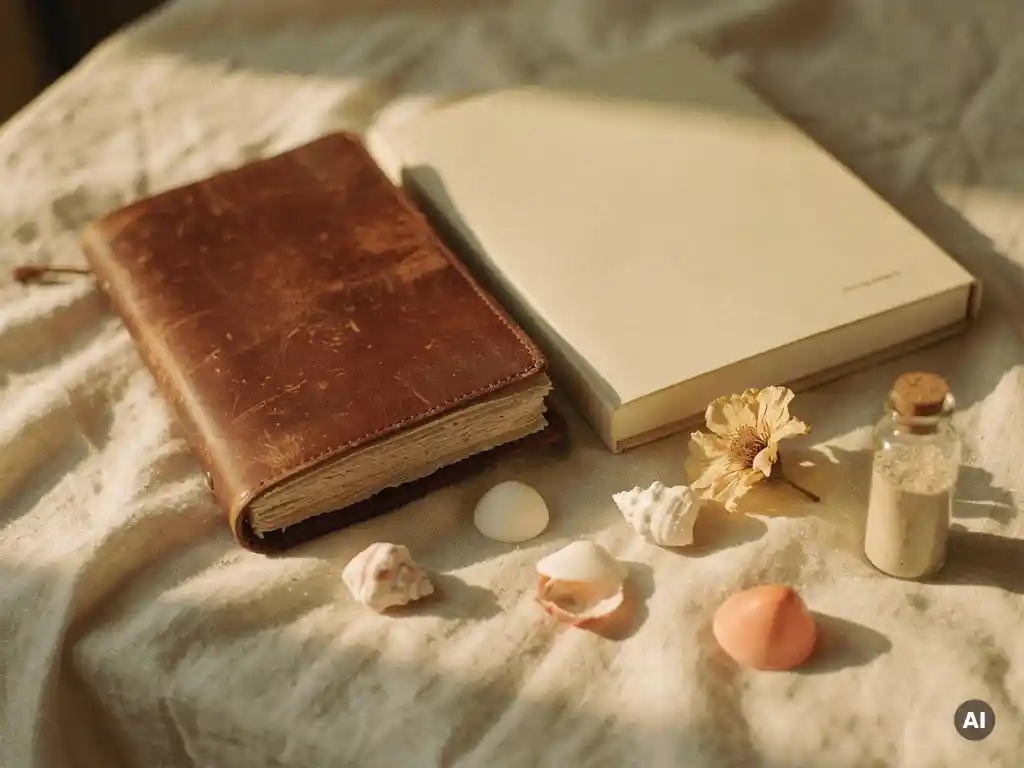
The most powerful ways to relive a trip through your senses are smell, taste, sound, and sight, and they work best in combination. Each sense activates a different part of the brain’s memory system, which is why a single scent or song can transport you back to a specific moment more vividly than simply thinking about it. Below, we explore how each sense unlocks travel memories and how to use them intentionally.
Which senses are most powerful for triggering travel memories?
Smell and sight are the two most powerful senses for triggering travel memories. Smell has a direct neurological connection to the brain’s memory and emotion centers, making scent-triggered recall unusually vivid and emotionally charged. Sight, especially through photographs, activates visual memory in a way that reconstructs scenes, faces, and feelings with remarkable clarity.
Taste and sound follow closely behind. A dish you ate on holiday or a song playing in a beachside bar can recreate the emotional atmosphere of a place in seconds. Touch is the least commonly used for deliberate memory recall, though textures like sand, fabric, or a handmade souvenir can also spark strong associations.
The reason these senses work so well is that travel experiences are emotionally charged: new environments, heightened awareness, and positive emotions all help encode memories more deeply. That means the sensory cues associated with those moments carry an unusually strong retrieval signal.
How can smell and taste bring a trip back to life?
Smell and taste can bring a trip back to life almost instantly because they bypass the brain’s logical processing and connect directly to emotional memory. A whiff of sunscreen might recreate a beach in Thailand; the taste of a specific spice blend might return you to a market in Marrakech. These sensory memories are often more emotionally intense than visual ones.
To use smell intentionally, consider bringing back a small souvenir with a strong scent, a local soap, a spice, or even a candle with a fragrance you associate with the destination. Burning it at home months later can recreate a remarkably vivid sense of being there again.
For taste, recreating a dish you loved on holiday is one of the most enjoyable ways to relive travel memories. You don’t need to replicate it perfectly, even approximating the flavors is enough to trigger the emotional recall. Cooking the dish while looking at photos from the trip amplifies the effect significantly, layering two senses at once.
What sounds help you relive travel experiences?
Music, ambient soundscapes, and even spoken language from a destination are among the most effective sounds for reliving travel experiences. Sound has a strong association with context and emotion, which means a song you heard repeatedly on a trip, or the background noise of a busy street market, can recreate the feeling of being there with surprising intensity.
Building a travel playlist is a simple and lasting way to preserve the auditory memory of a trip. Add songs you discovered locally, tracks that were playing in cafes or shops, or music that simply reminds you of the mood of the journey. Listening to it later, especially while looking at photos, creates a multi-sensory experience that makes the memory feel much more alive.
Ambient sound recordings are another underrated tool. Many travelers now record short audio clips of places they visit: waves on a particular beach, the call to prayer in a medina, rain on a jungle canopy. Played back later, these recordings are remarkably effective at transporting you back to the moment. Pairing them with a photo from the same scene is even more powerful.
How do photos help you relive a trip more vividly?
Photos help you relive a trip more vividly because they serve as precise visual anchors for episodic memory. Looking at a photo from a specific moment doesn’t just show you what happened, it reactivates the surrounding memory, including emotions, sensations, and context that weren’t captured in the image itself. The more specific and high-quality the photo, the stronger this effect.
The key is how you engage with your travel photos, not just whether you have them. Scrolling through a camera roll passively is far less effective than viewing photos in a curated, ordered format that mirrors the journey’s narrative. When photos are arranged chronologically and grouped by place or experience, they guide your memory through the trip in a structured way, recreating the story rather than just isolated moments.
Printed photos take this even further. Holding a physical photo book, turning pages, and seeing images at a size that fills your field of view creates a more immersive recall experience than a phone screen. The tactile element adds another sensory layer, and the deliberate act of sitting down with a printed album signals to your brain that this is a moment for reflection, which deepens the emotional engagement with the memories.
What’s the best way to preserve travel memories before they fade?
The best way to preserve travel memories before they fade is to act quickly and use multiple formats. Memory consolidation weakens over time, and the vivid emotional charge of a trip begins to dull within weeks. Combining a written record, curated photos, and a physical keepsake while the experience is still fresh gives you the most complete and lasting record.
Start with a brief written note, even a few bullet points per day capturing standout moments, meals, conversations, or feelings. These details are the first to fade and the hardest to reconstruct later. A short voice memo recorded on the journey home can serve the same purpose if writing feels like too much effort.
For photos, the goal is curation rather than volume. Most travelers return with hundreds or thousands of images, which makes it harder, not easier, to relive the trip. Identifying your favorite 20 to 50 images per destination and organizing them by place or experience creates a much more usable and emotionally resonant archive. A printed travel photo book, created while the memories are still vivid, transforms that curated selection into something you can return to for years.
How PastBook helps you preserve and relive travel memories
We built PastBook specifically for travelers who want to preserve their memories without spending hours organizing photos. Here is what we offer:
- AI-powered photo selection: Our platform automatically picks your best travel shots, removes duplicates and low-quality images, and arranges them into a beautifully designed layout in under 60 seconds.
- Flexible import options: Pull photos directly from your phone, Instagram, Facebook, Google Drive, or Dropbox, wherever your travel memories live.
- Premium printed photo books: Available in soft cover, hardcover, and premium hardcover formats, printed on FSC-certified paper and shipped worldwide.
- Start from a location or date range: Simply select the trip dates or destination and let the platform build your book, no blank page, no manual layout work.
The result is a travel photo book that looks like you spent hours on it but took less than a minute to create. Start your book today and turn your latest adventure into something you can hold, share, and return to for years to come.