










Giving a sentimental gift on a tight budget is entirely possible — and often more meaningful than spending a lot. The most personal gifts are built on attention, not money. They show that you know someone well enough to capture a specific memory, moment, or feeling that matters to them. A thoughtful, personalized gift can carry far more emotional weight than anything expensive bought in a hurry.
Expensive gifts set expectations that memories never have to meet
When you spend a lot on a gift, you’re often buying something the recipient may not have chosen for themselves. The price tag becomes the point. Sentimental gifts work differently — they remind someone of a place, a person, or a time they already love. That emotional connection is free to create. The real cost of skipping personal gifts is giving something forgettable instead of something that genuinely moves the person receiving it.
Spending more on a gift does not make it feel more personal
Most people, when asked about their most treasured gifts, describe something handmade, something specific, or something tied to a shared memory — not the most expensive item they ever received. If you default to spending more to compensate for a lack of ideas, you end up with a gift that signals effort through price rather than through knowing the person. The fix is simple: think about a specific moment you shared, a running joke, a place you visited together, or a milestone that mattered to them. That specificity is what makes a gift feel truly personal.
What makes a gift truly sentimental?
A sentimental gift is one that connects directly to a shared memory, a meaningful relationship, or a specific moment in someone’s life. It shows you paid attention. The most sentimental gifts reference something real — a place you both visited, a year that mattered, a milestone the recipient experienced — rather than a generic idea of what someone might like.
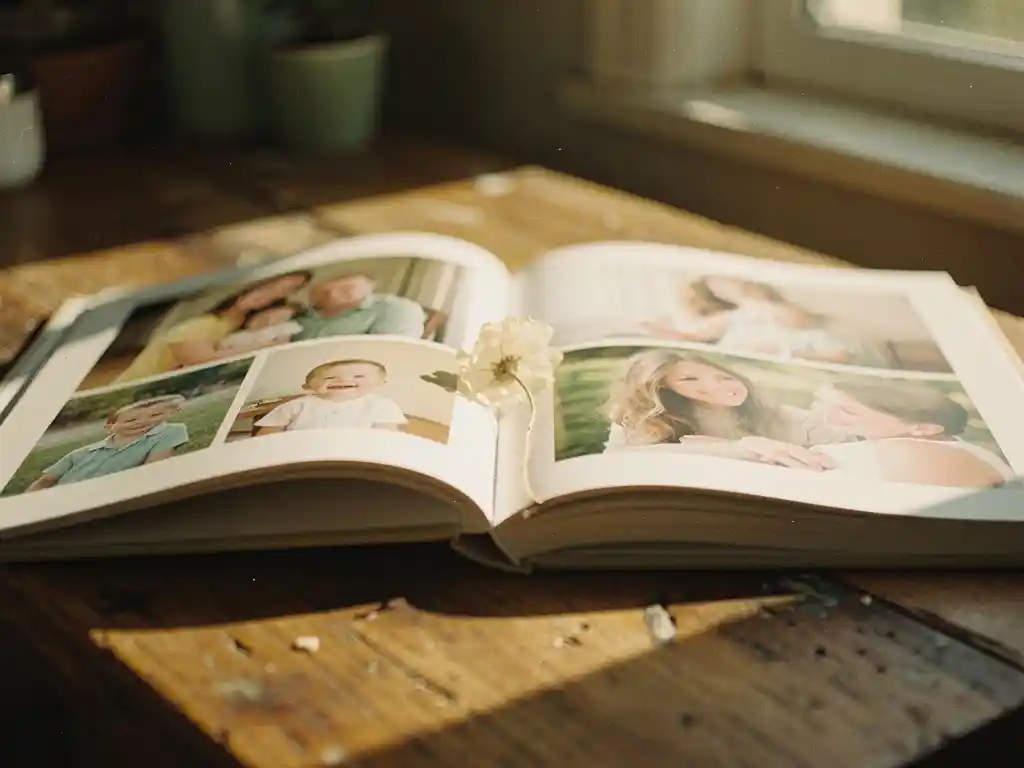
The key ingredients are specificity and intention. A gift becomes sentimental when it could only make sense for that particular person. A photo from a trip you took together, a handwritten note about a specific memory, or a printed album covering a meaningful period of someone’s life all qualify — because they could not have been given to anyone else.
Effort matters, but not in the way most people assume. The effort that counts is the thought behind the gift, not the time spent making it. A gift that took five minutes to put together but references something deeply personal will feel more considered than something generic that took hours to wrap.
Why do sentimental gifts often feel more valuable than expensive ones?
Sentimental gifts feel more valuable because they signal that someone paid attention to you specifically. An expensive gift can be bought for anyone. A personal gift can only be given to you. That distinction is what creates emotional impact — the recipient feels seen, remembered, and appreciated in a way that money alone cannot replicate.
There is also a lasting quality to personal gifts that expensive items often lack. A printed photo book from a family holiday, a handwritten letter about a shared memory, or a small keepsake tied to a specific moment tends to be kept for years. Expensive gifts depreciate in value or get replaced. Memories do not.
For gifting occasions like birthdays, anniversaries, or holidays, the emotional resonance of a personal gift often outlasts the initial excitement of something costly. People remember how a gift made them feel, not what it cost.
What are the best sentimental gift ideas on a tight budget?
The best budget sentimental gifts are ones that use what you already have — photos, memories, and personal knowledge of the recipient. Printed photo books, framed pictures, handwritten letters, custom calendars, and memory jars filled with written notes are all affordable options that carry genuine emotional weight.
Here are some specific ideas that work well without a large budget:
- A printed photo book covering a specific trip, year, or milestone the recipient experienced
- A handwritten letter describing your favorite shared memories in detail
- A custom calendar using photos from the past year, especially good for family gifts
- A framed photo from a meaningful occasion, chosen carefully rather than generically
- A memory jar filled with handwritten notes about specific moments you shared
- A collaborative photo album where multiple friends or family members contribute their favorite pictures
The common thread across all of these is specificity. The more clearly a gift references a real, shared moment, the more sentimental it feels — regardless of cost.
How do you make a photo book gift feel special without spending a lot?
A photo book feels special when it tells a real story. Choose photos that cover a specific time period, trip, or theme rather than a random mix. Add meaningful captions where possible. The presentation matters too — give it with a short note explaining why you chose those particular memories. That context transforms a printed product into something genuinely moving.
The photos you choose matter more than the format. A book filled with candid, emotionally resonant images from a holiday, a child’s first year, or a group of friends at a reunion will feel far more personal than a collection of posed shots. Look through your camera roll or phone albums and select images that actually capture how that time felt, not just what it looked like.
If you are giving a photo book as a group gift, ask others to contribute their photos too. When the recipient sees moments captured from multiple perspectives, the gift feels richer and more complete. It also spreads the cost across several people, making it even more affordable per person.
When is the right time to give a sentimental gift?
Sentimental gifts work best at moments when people are already reflecting on the past — birthdays, anniversaries, the end of a year, after a big trip, or following a significant life milestone. These occasions naturally create emotional openness, which makes a personal gift land with more impact than it might at a random moment.
That said, unexpected sentimental gifts can be just as powerful. Giving someone a printed album from a holiday you took together, unprompted, weeks after the trip can feel even more thoughtful than a gift tied to an occasion. It signals that you were thinking about them and that the memory mattered to you.
The worst time to give a sentimental gift is when it feels obligatory or rushed. If the personal element is an afterthought, the recipient will sense it. Take a moment to think about what the gift is actually saying before you give it.
What mistakes should you avoid when giving a budget gift?
The biggest mistake is letting the budget show. A gift that feels cheap because it was clearly the least expensive option available sends the wrong message. The goal is to give something that feels considered, not something that signals you spent as little as possible. Personal gifts avoid this problem entirely — they are valued for their meaning, not their price.
Other common mistakes include:
- Being too generic. A gift that could have been given to anyone feels impersonal, regardless of cost. Always anchor the gift to something specific about the recipient.
- Over-explaining the budget. Never apologize for or reference what you spent. Let the gift speak for itself.
- Choosing convenience over thought. A last-minute gift that required no consideration rarely feels meaningful. Even a small amount of planning makes a noticeable difference.
- Ignoring presentation. How you give a gift matters. A handwritten note, simple wrapping, or a brief explanation of why you chose this particular gift adds warmth without adding cost.
Budget gifts succeed when they demonstrate that you know the person well. They fail when they signal that you ran out of time or ideas.
How PastBook helps you give a meaningful sentimental gift
We built PastBook specifically for moments like this. If you want to give a deeply personal gift without spending a lot or investing hours of effort, our app turns the photos already on your phone into a beautifully printed photo book in under 60 seconds.
- Select photos by date range, trip, or album — the AI automatically picks the best shots and removes duplicates
- Preview the finished book for free before you order
- Customize the layout, size, and cover to suit the occasion
- Use the Contribution feature to invite friends or family to add their own photos, making it a collaborative gift that feels even more complete
- Order directly through the app and have it printed and delivered worldwide
The result is a gift that looks like you put enormous thought and time into it — because the memories themselves do the work. Whether you are capturing a family holiday, a child’s first year, or a group of friends at a celebration, the photos are already there. We just help you turn them into something lasting. Download the PastBook app and create your first photo book today.