











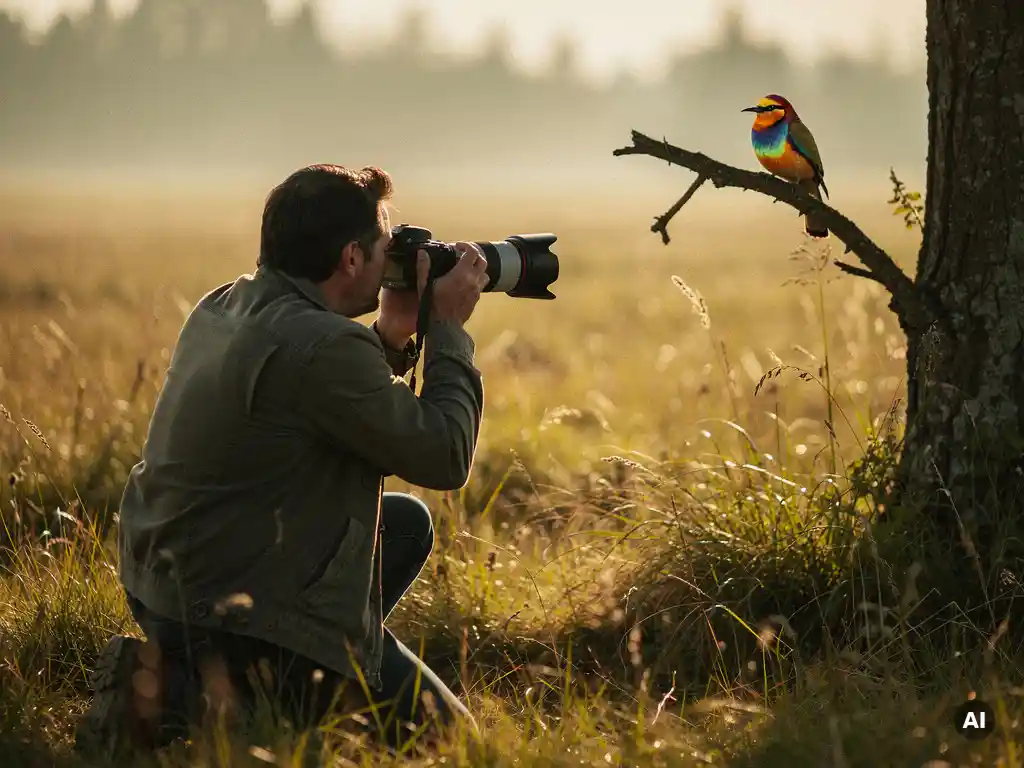
The best time of year for birdwatching depends on what you want to see, but spring and autumn are widely considered the peak seasons for birding activity. Spring brings singing, breeding, and the arrival of migratory species, while autumn offers the spectacle of migration in reverse. That said, every season has something unique to offer, and knowing what to look for – and when – transforms every outing into a rewarding experience. This article walks through the best birdwatching seasons, the best time of day, and the top spots to visit year-round.
What season has the most bird activity?
Spring is the season with the most bird activity overall. From late March through May, migratory birds return from their wintering grounds, resident species begin breeding, and birdsong fills the air as males compete for territory and mates. The sheer variety of species present, combined with their heightened visibility and vocal behaviour, makes spring the most exciting birdwatching season for beginners and experienced birders alike.
Autumn runs a close second. Between August and November, millions of birds move south along migratory routes, and coastal headlands, estuaries, and woodland edges become staging posts for species you rarely see at other times of year. The combination of sheer numbers and the possibility of rare vagrants blown off course makes autumn a favourite among dedicated birders.
Summer is quieter in terms of variety, but it offers excellent opportunities to watch breeding behaviour – fledglings learning to fly, parents feeding young, and wetland species raising their chicks. Winter, meanwhile, concentrates birds around reliable food sources, making them easier to spot even in low light and bare vegetation.
When is the best time to go birdwatching in spring?
The best time to go birdwatching in spring is from late March through May, with April often being the single most productive month. Early spring sees the first migratory arrivals – swallows, warblers, and flycatchers returning from Africa – while resident species like robins, blackbirds, and tits are already in full song. By late April and May, the full chorus is underway and the greatest variety of species is present simultaneously.
Within the spring season, timing your visits around specific events sharpens the experience considerably:
- Late March: Watch for the first swallows and chiffchaffs arriving from the south. Woodland birds begin singing in earnest.
- April: Warblers flood into hedgerows and reed beds. Wading birds display on moorland and estuaries. Raptors begin nesting.
- May: The peak of spring migration. Swift arrivals, nightingale song, and the chance of rare overshoots from southern Europe or even further afield.
Spring birdwatching rewards early risers most generously. The dawn chorus – typically peaking in the hour before and after sunrise – is one of the most extraordinary natural soundscapes on earth, and it is loudest and most varied in May.
What birds can you see in winter that you can’t in summer?
Winter brings a distinct cast of species that are entirely absent during the warmer months. Wildfowl – ducks, geese, and swans – arrive in large numbers from their Arctic and sub-Arctic breeding grounds, turning estuaries and reservoirs into spectacular gathering points. Wading birds like knot, dunlin, and golden plover form enormous flocks on coastal mudflats. Fieldfares and redwings, members of the thrush family, pour in from Scandinavia to feed on berries and earthworms across farmland and hedgerows.
Other winter-only highlights include:
- Short-eared owls hunting over open grassland and coastal marshes in daylight hours
- Waxwings descending on berry-laden rowan and cotoneaster trees in towns and suburbs
- Bramblings mixing with chaffinch flocks in beech woodland
- Great grey shrikes perching prominently on heathland and open scrub
- Divers and grebes in winter plumage on coastal bays and large inland waters
Winter also makes many resident species easier to spot. Without foliage, woodland birds that hide in dense canopy during summer become visible in bare branches. Shorter days concentrate feeding activity, so birds are active and approachable even in the middle of the afternoon.
What time of day is best for birdwatching?
Early morning is the best time of day for birdwatching, particularly in the two hours after sunrise. Birds are most active during this window – feeding, singing, and moving between habitats after a night of rest. In spring and summer, the dawn chorus makes early morning visits especially rewarding. Light conditions are also ideal: soft, directional morning light makes colours easier to see and reduces the harsh shadows that can make identification difficult.
Late afternoon, roughly two hours before sunset, is the second-best window. Many species feed actively again as daylight fades, and raptors often hunt during this period. Wetlands become particularly productive in the evening as herons, egrets, and wildfowl move to roost.
Midday is generally the quietest period for bird activity, especially in summer when heat causes birds to shelter and rest. However, midday visits are not without value – raptors use rising thermals to soar, and open habitats like grassland and coast can still be productive when species have fewer places to hide.
Overcast days often produce better birdwatching than bright sunshine, as birds remain active longer and light conditions are more even for observation.
Where are the best places to go birdwatching year-round?
The best birdwatching locations year-round are those that offer a variety of habitats in close proximity – wetlands, woodland, open grassland, and coast combined in one site. Estuaries and coastal reserves consistently deliver the greatest species diversity across all seasons, attracting breeding waders in summer, migratory shorebirds in spring and autumn, and wintering wildfowl from November through February.
Regardless of your location, the most productive habitat types to seek out include:
- Estuaries and coastal mudflats: Unbeatable for waders and wildfowl, especially in winter and during migration
- Reedbeds and wetland reserves: Home to bitterns, reed warblers, marsh harriers, and bearded tits throughout the year
- Ancient woodland: Rich in resident species like nuthatches, treecreepers, and woodpeckers, with summer warblers added to the mix
- Upland moorland: Best in spring for displaying waders and raptors, and in winter for short-eared owls and hen harriers
- Coastal headlands: Invaluable in autumn for observing migration, with the chance of rare and unusual visitors
Local nature reserves and national parks are often the most accessible starting points, but even urban parks, garden feeders, and canal towpaths offer surprisingly rich birdwatching opportunities throughout the year. The key is visiting regularly – familiarity with a single patch across all seasons teaches you more about bird behaviour and seasonal change than visiting many different sites occasionally.
How PastBook helps you capture your birdwatching memories
Every birdwatching trip generates a camera roll full of moments worth keeping – the first swallow of spring, a rare winter visitor, or a perfect golden-hour heron shot. Turning those photos into something lasting is where we come in.
- AI-powered curation: Our app automatically scans your camera roll, detects your trip by date and location, selects the best shots, and removes duplicates – no manual sorting needed
- Ready in under 60 seconds: A complete, print-ready photo book is generated before the birdsong fades from memory
- Perfect for gifting: A beautifully printed birdwatching album makes a deeply personal gift that looks like it took weeks to put together
- Available on iOS and Android: Create your book directly from your phone, wherever your birdwatching adventures take you
Whether you want to document a year of local patch visits or preserve the highlights of a special birding trip, the PastBook app turns your best photos into a beautiful keepsake in minutes. Download the app and create your first photo book today.